
Data shows whether someone acted. It rarely shows how trust, lived experience and emotion shaped the decision. Affective trust explains the why, and what to do about it.
Continuous CBPR through NOWINCLUDED, producing the signals AVA analyzes.
How emotional trust must rise before participation does, and what raises it.
One shows where each community stands; the other shows what will move it. AVA puts both in one view.
Trust is a willingness to be vulnerable to another party, expecting they'll act in your interest without being able to control them (Mayer et al.). It's the risk every potential participant weighs.
Participation needs both, but most outreach only speaks to the head. Affective trust comes first.
Communities of color need adequate affective trust before they'll join and stay in a trial. Building it moves people through four stages.
Pre-readiness. Trust is low. Trusted messengers and relevant education build awareness first.
Readiness. Members see themselves reflected and get answers. Willingness forms.
Participation. Trust crosses the threshold. People join because the relationship is in place.
Retention. Continuous engagement and shared results keep participants in, and ready for the next study.
Broaden eligibility as safety data allows, and drop exclusions carried over from earlier-phase templates.
Meet people where they already get care, informed by each site's local community, with decentralized options.
Trusted local leaders: providers, HBCU presidents, faith organizations, sororities and fraternities.
Culturally relevant, patient-centric education built around what matters to the community.
Email, text and social where communities already are, with clear next steps.
Predict who will take part and stay, and flag early dropout risk, through AVA.
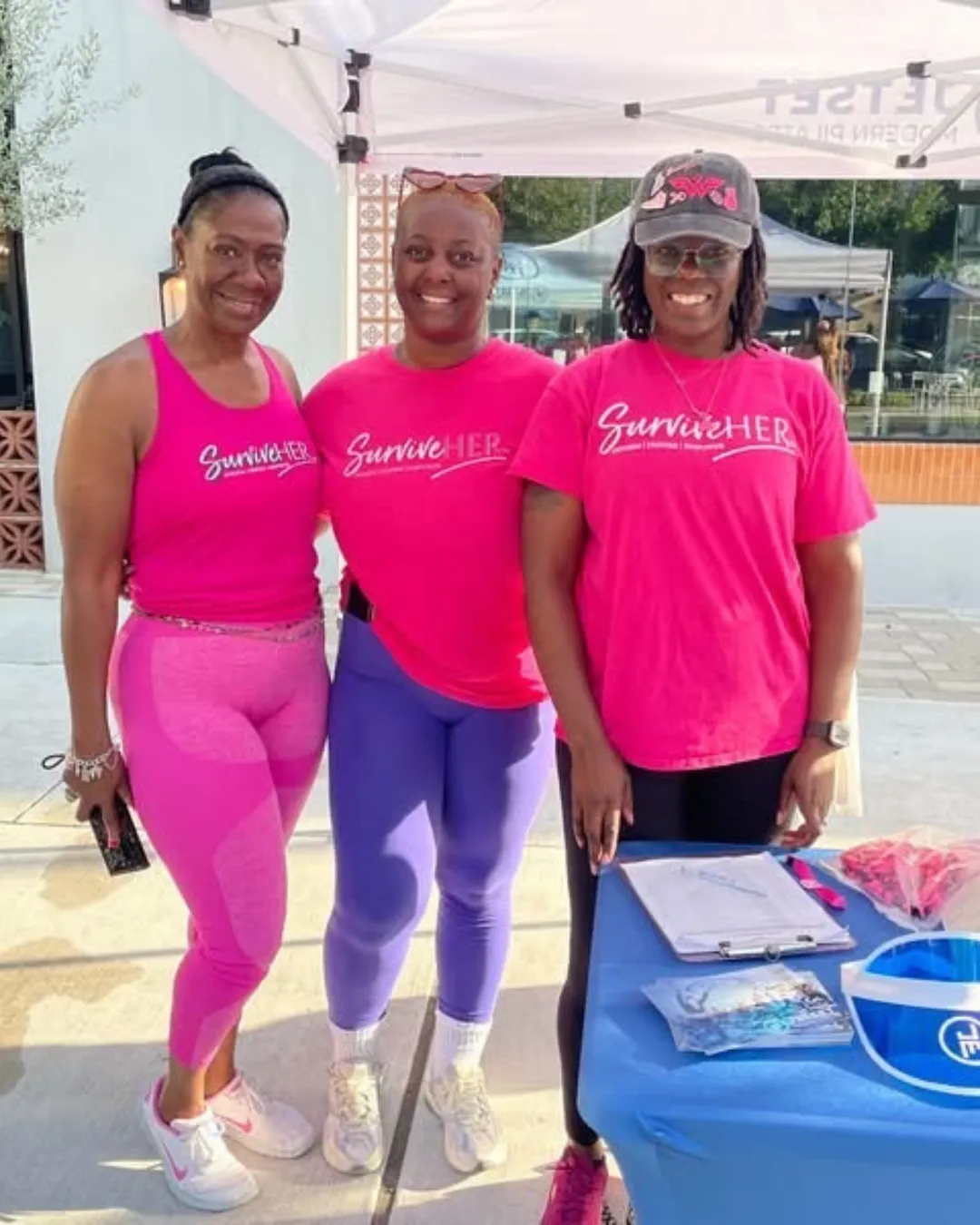
People and organizations with community credibility build trust fastest, and with support can become research partners.
Select a metro to see its trusted messengers.
No single action ensures success. Key actions span adoption, study start, trial duration and completion.
Trust based on emotion: relationships, goodwill and genuine concern. Cognitive trust rests on competence, knowledge and evidence.
Communities of color need adequate affective trust before they'll join and stay in a trial. Rising trust is what moves people toward participation.
Through authenticated NOWINCLUDED signals: the Community Trust Index, willingness and named barriers, tracked by metro and cohort.
See where each community sits, from pre-readiness to retention.